Mineral Wells’ history began in 1877 when James Alvis Lynch, his family, and 50 head of livestock left Denison, Texas, and headed west in search of a drier climate, hoping it would provide relief from malaria. Both James Lynch and his wife, Armanda, suffered from rheumatism. When the family received news of Comanche attacks further west, they decided to settle down where they were, in a valley nestled among the hills of Palo Pinto County.
Mineral Water
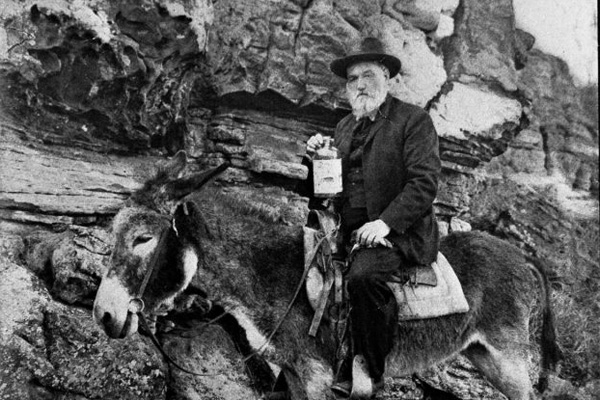
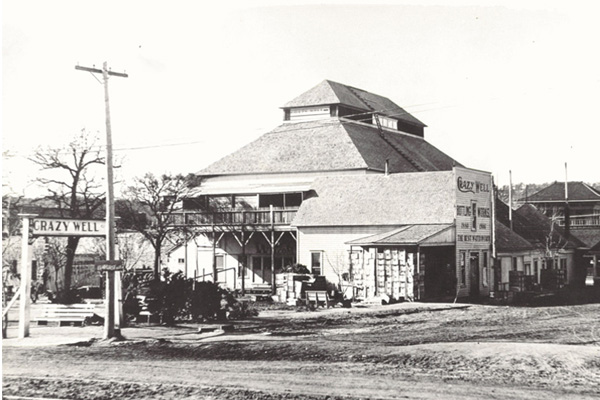
Of all the wells drilled after Mineral Wells was founded, one rose above the rest: Crazy Water, drawn from the Crazy Well now located at the Crazy Water Hotel. The name traces back to a local legend about an elderly woman, considered mentally unstable, who drank from the well twice a day and made a remarkable recovery. Many of Mineral Wells' wells contain notable concentrations of lithium, the same substance used today in treatments for mood and mental disorders. Crazy? Maybe not so much.
Word spread fast. By the early 20th century, tourists were arriving from across the country and around the world chasing the healing waters. Bathhouses, drinking pavilions, and spas multiplied. Savvy entrepreneurs eventually figured out they could skip shipping the water and just ship the minerals in crystal form, letting customers make their own at home. Mineral Wells in a box.
The Great Depression hit the water companies hard. Mineral water is a luxury when money is tight, the FDA began cracking down on the more enthusiastic health claims, and advancing modern medicine made "drink this water and feel better" a harder sell. Most companies closed by the 1940s. One didn't. The Famous Mineral Water Company, founded in 1904, is still pouring today and is the only place in Mineral Wells where you can pull up a barstool and taste exactly what started it all.
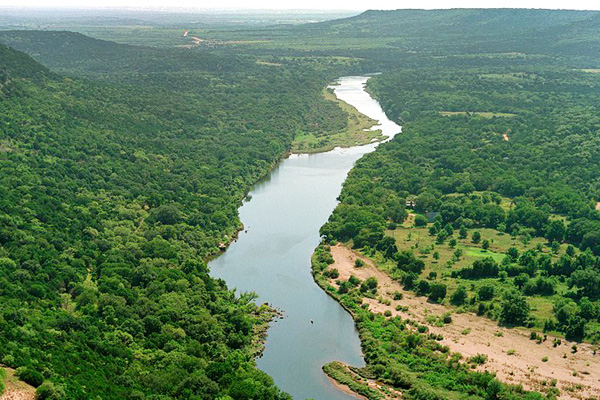
Palo Pinto County
Palo Pinto County was given its name from a creek named by the Spaniards. There is much speculation by locals as to why the creek was named “Palo Pinto,” which means “painted stick” or “painted post” in Spanish. Some say the Spaniards came through the area in autumn and admired the colorful leaves, while others claim it was because they noticed uniquely colored or spotted lichen on trees along the creek. More than likely, though, the name Palo Pinto was derived from those who noted the colorful markings painted on tree trunks by Native Americans.
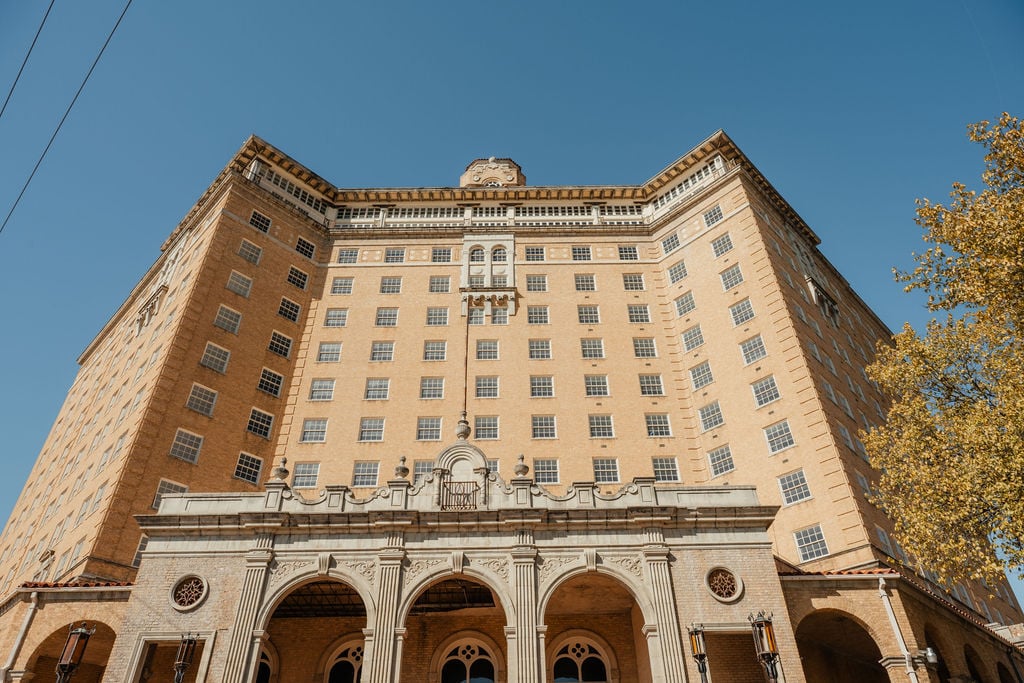
The Baker Hotel
Conceived during the confidence of the Roaring Twenties, the Baker Hotel opened in 1929 as an international resort destination. This “Grand Lady” of Mineral Wells, designed by prominent Texas architect Wyatt C. Hedrick, was built to take full advantage of the lure of the mineral waters present in Mineral Wells. The Baker reigned as one of the country’s most glamorous resorts for more than 25 years. Over time, its claim to fame only grew as Hollywood legends like Clark Gable, Judy Garland, and Lawrence Welk indulged in the hotel’s unique offerings. Unfortunately, The Baker Hotel succumbed to changing demographics, finally closing in 1972. Visit The Baker Hotel and Spa for updates on the restoration status and opening date.
MILITARY
In 1925, Brigadier General Jacob Wolters received a federal grant to build a cavalry training site in Mineral Wells. Camp Wolters started at 50 acres, and then World War II happened. Designated an Infantry Replacement Center in 1941, the camp exploded to 7,500 acres almost overnight and spent the war years training soldiers and housing German POWs from North Africa. When the war ended in 1945, the camp went quiet.
It didn't stay that way. Reactivated in 1951 and eventually renamed Fort Wolters, the base found its second act as the home of the U.S. Army's Primary Helicopter Training Center during the Vietnam War. Over 40,000 students from 30 countries completed the 20-week program, about 600 graduates a month at its peak. Fort Wolters closed for good in 1973. Most of the property is privately held today, though the National Guard still uses a portion for training. Just east of Mineral Wells High School, one small rock building, the original Camp Wolters headquarters, still stands and is maintained by the school district as a quiet reminder of what happened here.
1 Man drinking Crazy Water
2 Ten Years Younger Pamphlet produced by Chamber of Commerce.